Skip to content

Southern Fried Science

Over 15 years of ocean science and conservation online

  • Home
  • About SFS
  • Authors
  • Support SFS

Category: Uncategorized

What does the high seas biodiversity treaty means for the future of deep-sea mining?

Posted on March 17, 2023March 18, 2023 By Andrew Thaler
What does the high seas biodiversity treaty means for the future of deep-sea mining?
Uncategorized

This month, delegations from around the world agreed upon a treaty to protect biodiversity beyond national jurisdiction — ocean life beyond the limit of any country’s borders. The High Seas Treaty represents the culmination of over 2 decades of debate and negotiation. Once adopted, it establishes a framework for the protection and equitable sharing of marine genetic resources — animals and their DNA; promotes the implementation of marine protected areas in the high seas; and creates a scientific and technical body to review environmental impact assessments for ocean activities beyond borders.

While this treaty is a monumental achievement for protecting the common heritage of humankind, it still leaves several loopholes for ocean exploitation. Chief among them is the exemption of deep-sea mining from the final regulations.

Read More “What does the high seas biodiversity treaty means for the future of deep-sea mining?” »
A roundup of recent deep-sea mining news

Posted on October 31, 2022October 31, 2022 By Andrew Thaler
Uncategorized
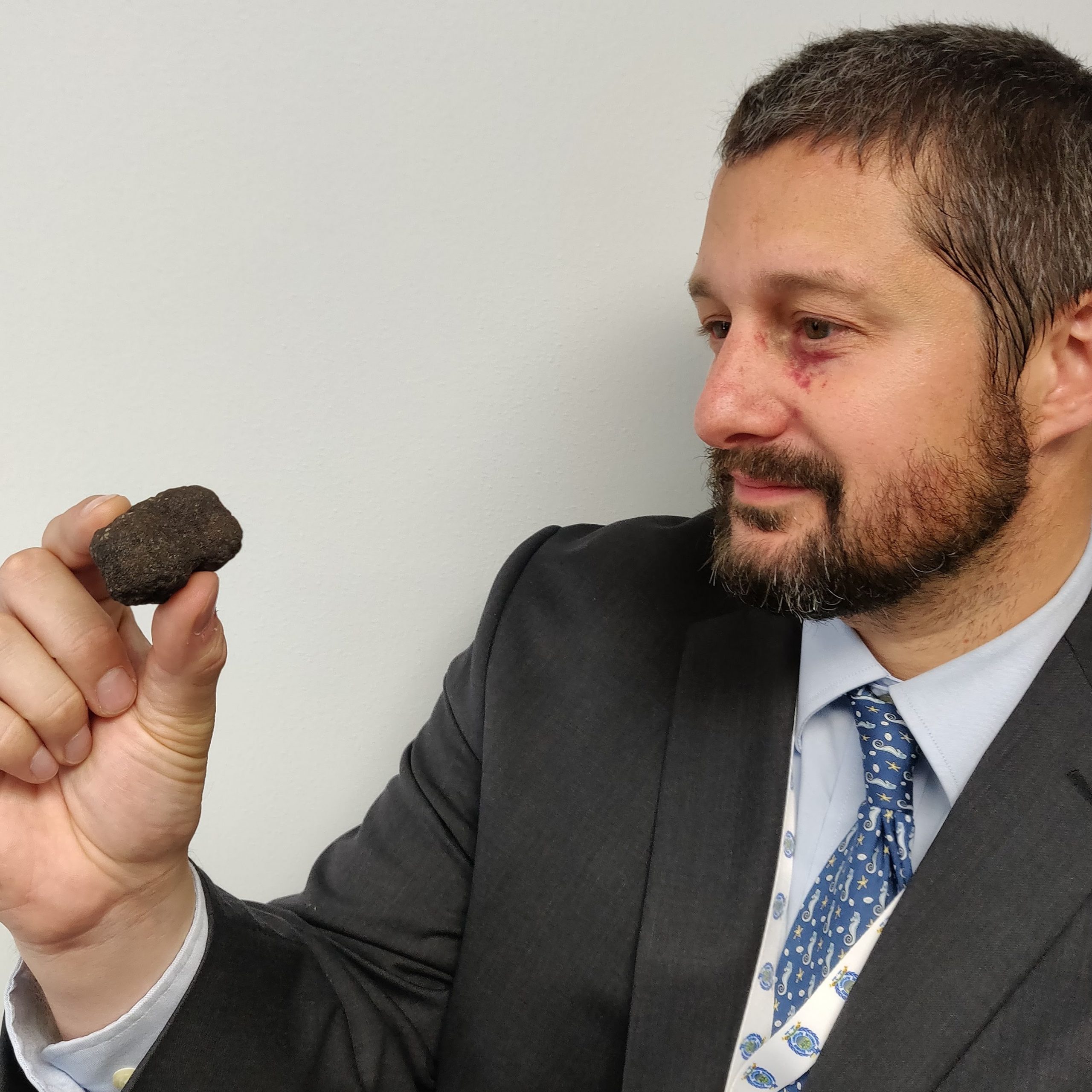
The author, pondering a polymetallic nodule.

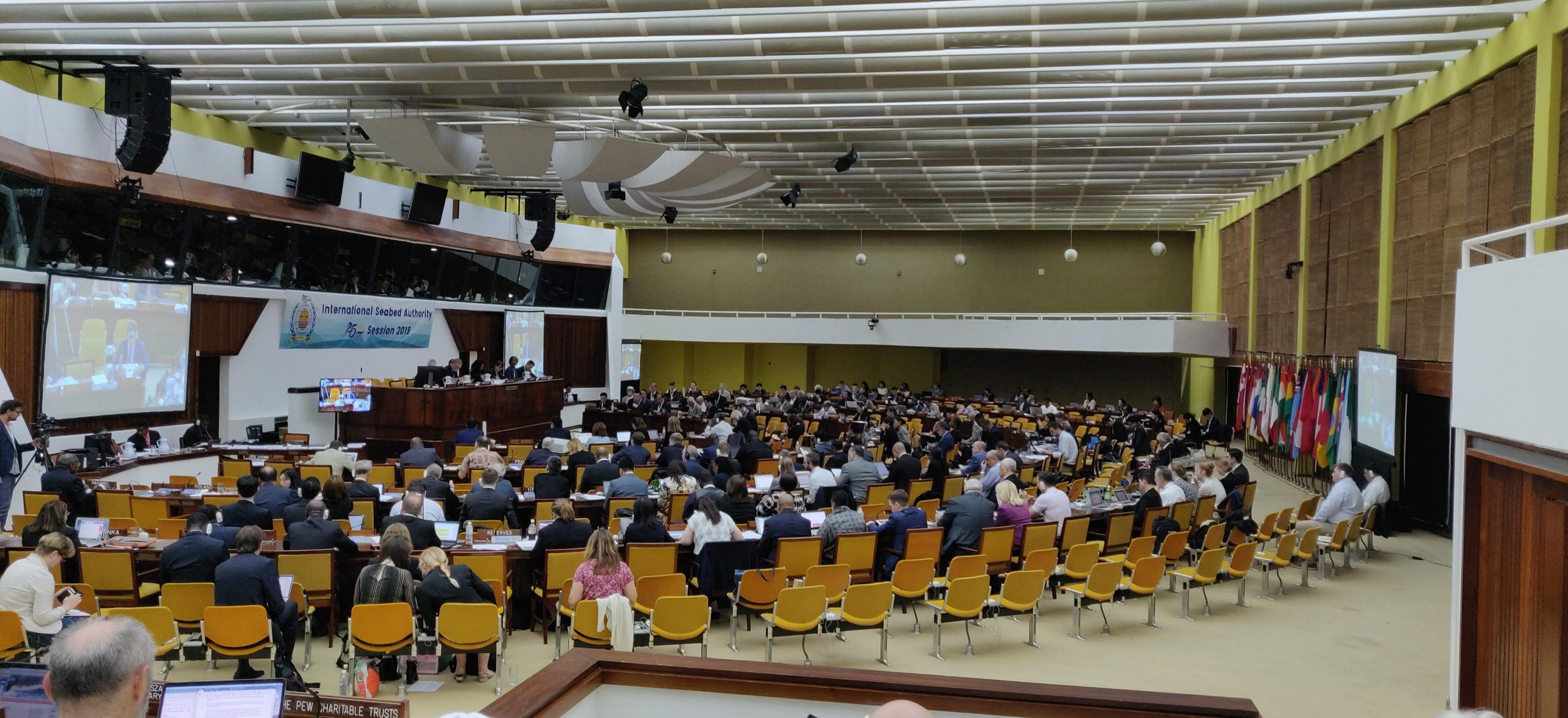
The third part of the 27th session of the International Seabed Authority, a meeting where the rules and regulations about how the deep ocean will be mined, begins today. If process is your jam, you can watch the UN negotiations here: https://isa.org.jm/web-tv

For a very concise overview of where we currently stand, I published the transcript of my recent talk, here: Deep-Sea Mining: A whirlwind tour of the state of the industry and current policy regimes

Some recent press to get you up to speed

  • Landing on the Abyssal Plain
  • New Zealand joins call for ‘conditional’ ban on seabed mining in international waters
  • NZ Opposes Seabed Mining in International Waters
  • Cook Islands Seabed Minerals Authority ‘concerned’ with New Zealand’s call for deep sea mining ban
  • The Case Against Deep-Sea Mining
  • How will China’s submersibles help us explore the ocean depths?

Read More “A roundup of recent deep-sea mining news” »

Discovery of a Great Hammerhead Nursery

Posted on July 12, 2021January 9, 2022 By Catherine Macdonald
Conservation, Exploration, Uncategorized

Happy Shark Week (if you celebrate), and I’m so excited to share our newly published open access paper about our research on juvenile great hammerheads (Sphyrna mokarran) with you! (It’s been hard to keep this one to ourselves).

Great hammerheads are an iconic shark species which have undergone significant population declines globally. In 2019, they were assessed as Critically Endangered by the IUCN Red List, which reported overfishing as the greatest threat to their survival. Great hammerheads are known to make incredible long-range migrations and cross state and international boundaries, making them challenging to protect as adults. Little is known about where they are born or where they spend their early years of their life, although there have been scattered reports of juveniles from the Gulf of Mexico, the Florida Keys, and one report from Georgia.

Identifying habitats that are important to juvenile sharks matters because young sharks are often the most vulnerable individuals in a population, and their survival is vital to the future of their species. Many juvenile sharks spend time in “nursery areas”—places where they are less likely to be eaten by predators, or where food resources are abundant. They then expand their ranges as they age, covering more distance as they grow larger. Identifying nurseries has long been a conservation priority for managers and scientists. After several years of research, our team has collected the first scientific evidence of a nursery area for great hammerhead sharks on the Atlantic coast of the United States—within sight of the skyline of Miami, Florida.

There’s a three-part established test for an area to be identified as a shark nursery: 1) Juvenile sharks are more commonly encountered in that habitat than elsewhere; 2) they remain in the area for extended periods; and 3) The area is used repeatedly over years. Our results demonstrate that this area definitely meets two of these criteria, with preliminary evidence that it also meets the third. We’ve found the same habitat may be a nursery area for several other shark species too, including scalloped hammerheads, another Critically Endangered species!

Read More “Discovery of a Great Hammerhead Nursery” »

Shark Conservation: What’s New and What’s Next? The text of my UN Early Career Ocean Professionals Day talk

Posted on June 1, 2021June 3, 2021 By David Shiffman 1 Comment on Shark Conservation: What’s New and What’s Next? The text of my UN Early Career Ocean Professionals Day talk
Uncategorized

On June 1, 2021, I was invited to speak at Early Career Ocean Professionals Day, part of the kickoff for the United Nations Decade of the Ocean. The text of my remarks, with links to relevant references, is provided below.

Greetings to everyone watching virtual Early Career Ocean Professionals Day around the world! My name is Dr. David Shiffman, and I’m an interdisciplinary marine conservation biologist based in Washington, DC. I study threatened species of sharks, and how to effectively protect them. I also study the causes and consequences of public misunderstanding of these issues. In addition to research and teaching, I am a public science educator, and I invite you to follow me on twitter, Instagram, and Facebook @ WhySharksMatter, where I’m always happy to answer any questions anyone has about sharks.

Today I’d like to talk to you a little bit about my work on why we should protect sharks, how we can most effectively do that, what people think about this issues, and why all of this is important. First of all, no, sharks are not a threat to you or your family, despite what you may hear in inflammatory fearmongering news reports. Hundreds of millions of humans enter the ocean every year, and a few dozen are bitten—more people are killed by flowerpots falling on their heads from above in a typical year than are killed by sharks. Sharks also play vital roles in the healthy functioning of marine and coastal ecosystems, ecosystems that humans depend on for food security, livelihoods, and recreation. In short, people are better off with healthy shark populations off our coasts than we are without them.

Read More “Shark Conservation: What’s New and What’s Next? The text of my UN Early Career Ocean Professionals Day talk” »

To Achieve 30% Ocean Protection Governments Can Look Beyond Conventional Tools

Posted on May 18, 2021May 18, 2021 By Angelo Villagomez
To Achieve 30% Ocean Protection Governments Can Look Beyond Conventional Tools
Uncategorized

Although understanding of the most effective design and implementation of MPAs has evolved in recent decades, decision-makers are only just starting to consider OECMs as a marine conservation tool. If properly delivered, OECMs could be a powerful means of improving ocean health.

Build Your Own 3D-printed Ring Light to Upgrade Your Remote Meetings

Posted on February 9, 2021February 9, 2021 By Andrew Thaler 1 Comment on Build Your Own 3D-printed Ring Light to Upgrade Your Remote Meetings
Build Your Own 3D-printed Ring Light to Upgrade Your Remote Meetings
Uncategorized

We are entering year two of pandemic lockdowns and remote meetings, teach from home classes, and teleconferences are hear to stay. Early last year we addressed some of the basics of perfecting a decent space for teaching from home: The true, essential, and definitive guide to looking like a professional while teaching from home.

But some folks want a little extra edge, a little something that dramatically improves how you look in the camera while teaching your class, giving a talk, or holding a meeting. And not just because of vanity. The better and clearer your camera image, the easier it is for your audience to see and understand you (though vanity is a perfectly fine reason too, we have all spent far too much time this year staring at ourselves in the little Zoom box).

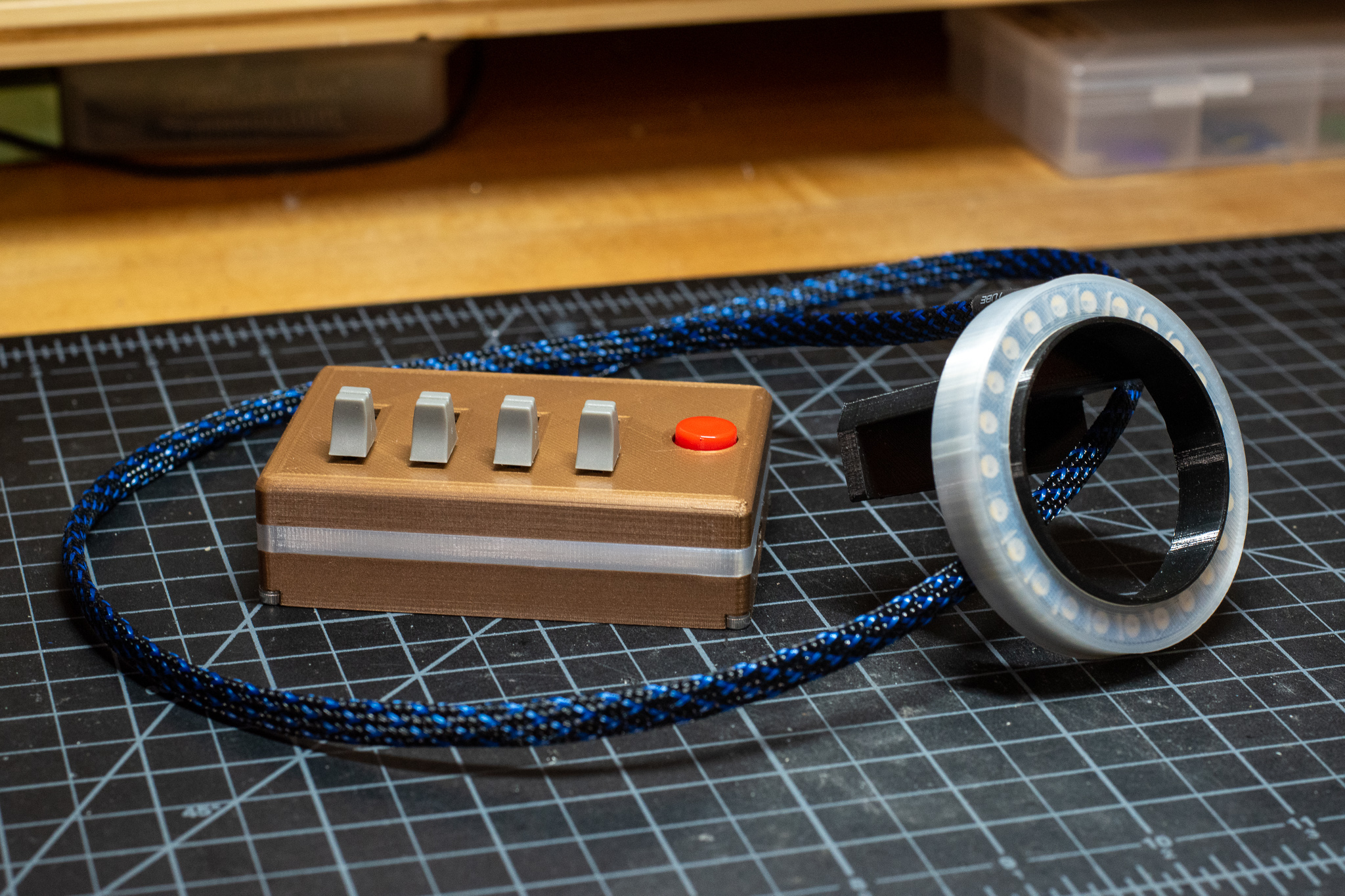
You could buy a ring light to provide the best possible light source for looking good on a webcam, but why buy something when you can spend several hours soldering and coding your own custom, addressable, RGBW ring light.

The good nerds at Southern Fried Science are here for you. I spent the last month polishing up my coding, soldering, design, and 3D-printing skills to bring you a 3D-printed, DIY ring light that you can build and code yourself.

Is it cheaper than a commercial ring light? No.

Does it work better than a ring light designed and manufactured by a professional team of engineers? Also no.

Can you independently control each color channel so it looks like you’re in the Matrix, under water, of cosplaying the This Is Fine dog via a large, bulky box that sits on you desk? Yes.

Does it come with a panic button that lets you bail out of Zoom calls by pretending that you’re being pulled over by the police? You better believe it does.

View this post on Instagram

A post shared by Andrew David Thaler (@drandrewthaler)

Read More “Build Your Own 3D-printed Ring Light to Upgrade Your Remote Meetings” »

What Johnny Mnemonic got right about 2021: we keep trying to build housing out of old shipping containers.

Posted on January 25, 2021January 25, 2021 By Andrew Thaler 1 Comment on What Johnny Mnemonic got right about 2021: we keep trying to build housing out of old shipping containers.
Uncategorized
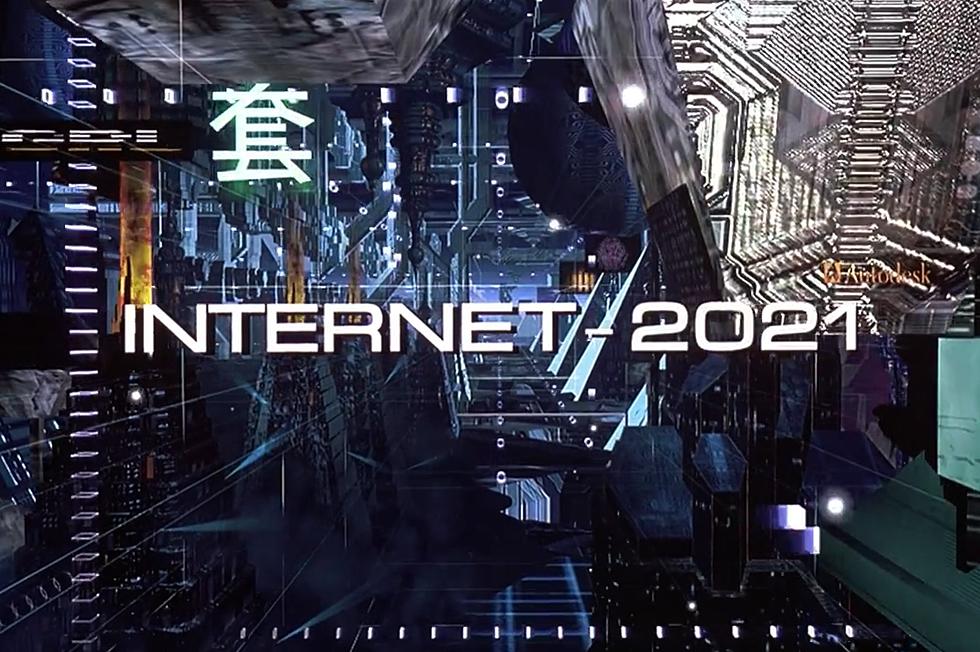
Internet 2021 from Johnny Mnemonic

From a global pandemic to information overload to out-of-control drug prices, 1995’s Johnny Mnemonic made a lot of bold predictions about 2021 that landed a bit too hard. Among the hits that landed hardest? The rise of containerized housing and a chaotic kludge of weird construction welded together in a way that doesn’t exactly scream stability and permanence.

The year is 2021. Can we put to rest the idea that a shipping container home is anything but an aesthetic choice?

Read More “What Johnny Mnemonic got right about 2021: we keep trying to build housing out of old shipping containers.” »

Donald Trump secures his legacy as the worst ocean president in American history.

Posted on January 11, 2021January 12, 2021 By Andrew Thaler 1 Comment on Donald Trump secures his legacy as the worst ocean president in American history.
Uncategorized

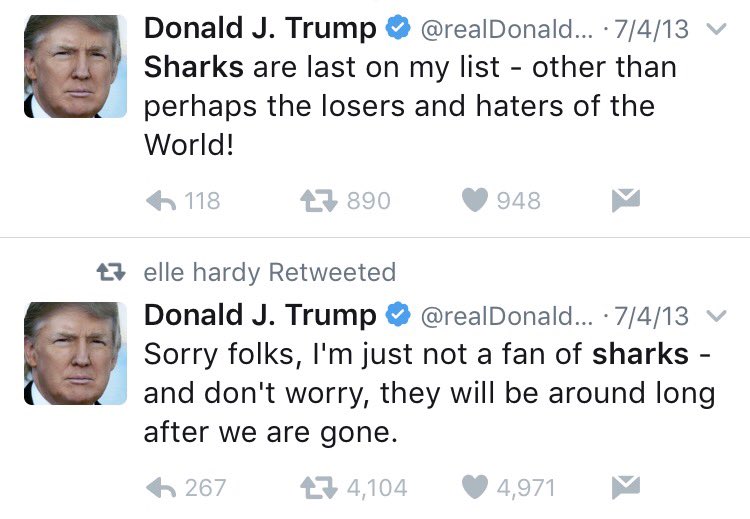
Donald F. Trump hates sharks. We learned that in 2013, when, during an entirely uncontroversial discussion about shark conservation foundations on Twitter, the would-be President of the United States of America blocked a small cohort of marine scientists.

Gracing David Shiffman and myself with a timeline blissfully free of his insufferable Tweets for eight years was the only good thing he has ever done for the ocean.

Initially, it appeared as though Trump’s war on the oceans would take a backseat to his other social, judicial, and environmental atrocities. Though a troubling selection for a host of reasons, Wilbur Ross’s appointment as Secretary of Commerce was seen as a relatively non-threatening move. His letter to NOAA staff, reassuring them that his department would continue to follow best-available science, was met with praise. His initial leadership appointments received bipartisan support.

It is clear now in hindsight, that that initial optimism was intensely naïve.

Read More “Donald Trump secures his legacy as the worst ocean president in American history.” »

3 kid-friendly STEAM electronics projects that harness NOAA’s massive public databases

Posted on January 4, 2021January 4, 2021 By Andrew Thaler
3 kid-friendly STEAM electronics projects that harness NOAA’s massive public databases
Uncategorized

This is the winter of finding as many good, educational projects to keep our kids as occupied as possible. If you’re anything like me, you probably have a stack of assorted electronics in various stages of disrepair, which is great for your hardware hacking dads and moms, but kids need projects with a little more structure and, especially for the younger ones, a lot less soldering.

We can’t build open-source CTDs every day.

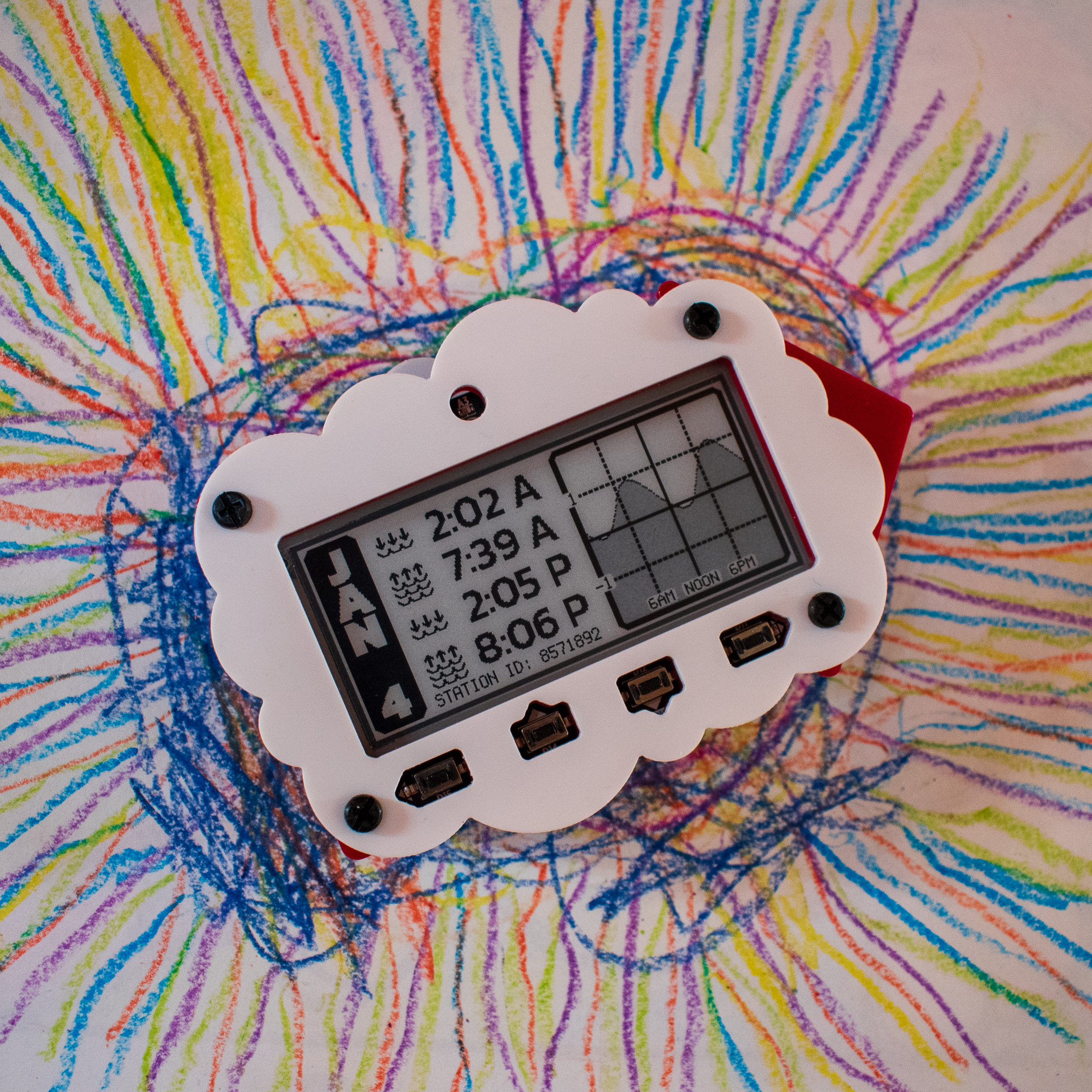
Fortunately, the awesome folks at Adafruit have built up an absolutely massive collection of electronics projects using just about every component you can imagine. I’ve culled through the archive to find three kid-friendly (projects that don’t require soldering or involve particularly risky components) ocean and weather projects that take advantage of NOAA’s publicly available databases to help students learn a little bit about electronics and the natural world.

All of these projects were built with the help of my kiddo (age four), require no soldering or electronics skills to start, involve just enough coding to stay interesting, and use Adafruit’s CircuitPython ecosystem, which is fairly easy to learn. Adafruit does a great job compiling detailed instruction for every project. These can all be completed in a lazy afternoon.

Read More “3 kid-friendly STEAM electronics projects that harness NOAA’s massive public databases” »

Sharks, Squalene, and a SARS-CoV-2 vaccine

Posted on October 16, 2020January 4, 2021 By Catherine Macdonald
Uncategorized
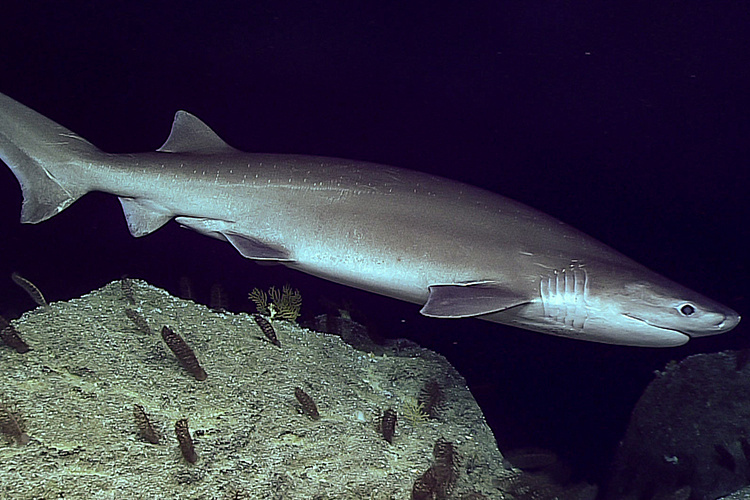
A bluntnose sixgill shark (Hexanchus griseus). Photo credit: NOAA Ship Okeanos Explorer.

Hi, friends at Southern Fried Science!

You’ve probably seen in the media lately that there’s been a lot of coverage about whether sharks are being killed for SARS-CoV-2 vaccines. With an awesome undergraduate co-author, I’ve tried to gather some facts about what is happening (or might happen) and what it means. You can read a preprint of that work here, or read on for a short FAQ in plain English.

Read More “Sharks, Squalene, and a SARS-CoV-2 vaccine” »

Posts pagination

Previous 1 2 3 … 118 Next

Popular Posts

What Ocean Ramsey does is not shark science or conservation: some brief thoughts on "the Shark Whisperer" documentaryWhat Ocean Ramsey does is not shark science or conservation: some brief thoughts on "the Shark Whisperer" documentaryJuly 2, 2025David Shiffman
I can serve on your graduate thesis committee. Here’s what you can expect of me, and what I expect in return.I can serve on your graduate thesis committee. Here’s what you can expect of me, and what I expect in return.October 16, 2025David Shiffman
Build a dirt cheap, tough-as-nails field computer in a Pelican caseBuild a dirt cheap, tough-as-nails field computer in a Pelican caseJuly 21, 2015Andrew Thaler
Shark of Darkness: Wrath of Submarine is a fake documentaryShark of Darkness: Wrath of Submarine is a fake documentaryAugust 10, 2014Michelle Jewell
I turned my woodshop into a personal solar farm.I turned my woodshop into a personal solar farm.June 21, 2021Andrew Thaler
Blackfish: the Science Behind the MovieBlackfish: the Science Behind the MovieSeptember 18, 2013Chris Parsons
What can the funniest shark memes on the internetz teach us about ocean science and conservation?What can the funniest shark memes on the internetz teach us about ocean science and conservation?November 8, 2013David Shiffman
I spent 50 days working out in Virtual Reality and everything went better than expected.I spent 50 days working out in Virtual Reality and everything went better than expected.May 16, 2019Andrew Thaler
Norway and Cook Islands put their deep-sea mining plans on pause.Norway and Cook Islands put their deep-sea mining plans on pause.December 3, 2025Andrew Thaler
"Twitter sucks now and all the cool kids are moving to Bluesky:" Our new survey shows that scientists no longer find Twitter professionally useful or pleasant"Twitter sucks now and all the cool kids are moving to Bluesky:" Our new survey shows that scientists no longer find Twitter professionally useful or pleasantAugust 19, 2025David Shiffman
Subscribe to our RSS Feed for updates whenever new articles are published.

We recommend Feedly for RSS management. It's like Google Reader, except it still exists.

Southern Fried Science

  • Home
  • About SFS
  • Authors
  • Support SFS


If you enjoy Southern Fried Science, consider contributing to our Patreon campaign.

Copyright © 2025 Southern Fried Science.

Theme: Oceanly Premium by ScriptsTown